

Smart Shipping: Are Current Models Too Basic or Even Useless?

The Marina of the Future: A Destination in Its Own Right
Insights – The Future Marina For decades, marinas were designed...
Read More
Expedition Yachts in Focus at Monaco Yacht Show 2026
Insights – Expedition Yachts Expedition Yachts in Focus at Monaco...
Read More
Beyond the Yacht: How Experiences and Destinations Are Changing What Buyers Want
Insights The priorities of yacht buyers are changing. For a...
Read More
What’s Big at Cannes 2026? The Leading Yacht and Boat Categories
Insights Cannes Yachting Festival 2026: More Than 660 Boats Set...
Read More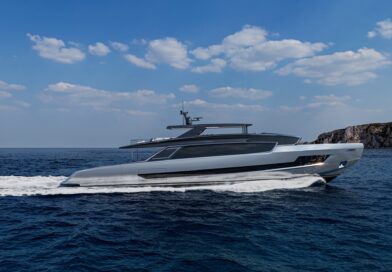
Cannes 2026: Boats Worth a Closer Look
Insights With around 700 boats and 150 world premieres on...
Read More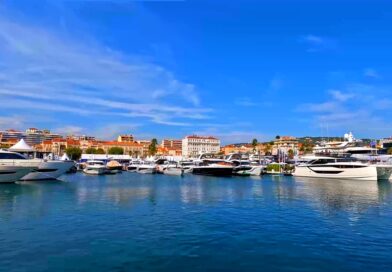
Cannes 2026 Innovation Route – The Technologies to Watch
Boat Show Insights The Innovation Route at the 2026 Cannes...
Read More
Small Boats, Big Opportunities: The Markets Driving Future Growth
Insights – The Boat Market The global market for small...
Read More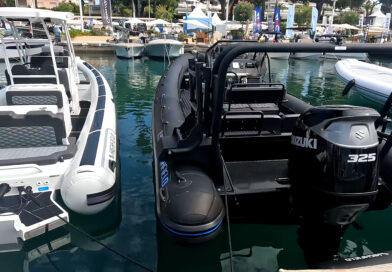
The Next Big Thing in Small Boats? It’s Not the Engine—It’s the Accessories
Insights – Innovative Equipment and Gadgets The next generation of...
Read More