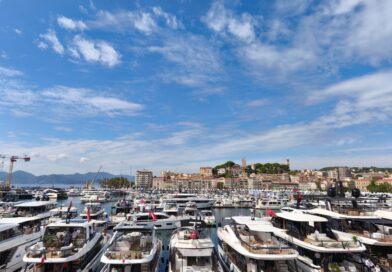
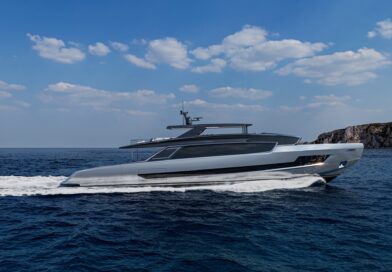
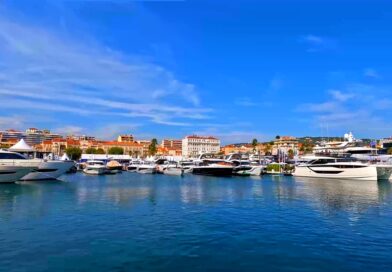
At this year’s major boat shows a quiet tension was evident along the pontoons. Beautiful yachts, polished to perfection, were ready for their close-up. Yet the mood behind the scenes was more cautious than confident.
The leisure boating market has slowed noticeably. After several years of record demand driven by post-pandemic enthusiasm, today’s reality is more selective, more price-sensitive, and far less impulsive. For dealers and shipyards, this shift has forced a rethink in how to approach buyers — and how to survive a thinner market.
A Market That’s Paused, Not Gone
Dealers report that serious buyers still exist — but they’re more deliberate, more informed, and often taking longer to commit. Rising interest rates, higher running costs, and uncertainty about resale values have cooled the heat of the market.
“People are still visiting the shows,” one sales director said in Cannes, “but they’re not signing as fast. The questions are sharper — about warranties, fuel use, hybrid options, and service costs. Buyers are thinking two steps ahead.”
Smaller Stands, Smarter Conversations
In response, many exhibitors have adjusted their strategy. Some brands have downsized their presence, focusing on quality interactions rather than crowd volume. Others have brought technical staff and naval architects directly to the stands to give deeper, more credible answers.
Instead of showy champagne events, many prefer private demonstrations and targeted client appointments, often pre-arranged through online platforms. “We’re talking less to tourists and more to decision-makers,” said a marketing manager from an Italian builder. “That’s the new reality.”
Collaborations and Cost Control
The slowdown has also encouraged collaborative displays — two or three complementary brands sharing a berth, a lounge, or a logistics team. These joint presences not only reduce costs but also create a stronger visitor experience: buyers can explore engines, electronics, and finishes in one connected setting.
Some dealerships are also pairing up with tech startups or electric engine makers, presenting a shared narrative of innovation and sustainability. It’s a smart way to stay relevant while the high-end buyer market takes a breather.
What’s Next?
For now, the market feels balanced on a knife-edge — neither collapsing nor booming, but redefining what value means. The winners will likely be those who evolve fastest: brands that deliver transparency, after-sales confidence, and genuine performance value rather than relying solely on luxury image.
The boat show still matters — but not as a celebration of abundance. It has become, once again, what it always was at its best: a marketplace of trust.